

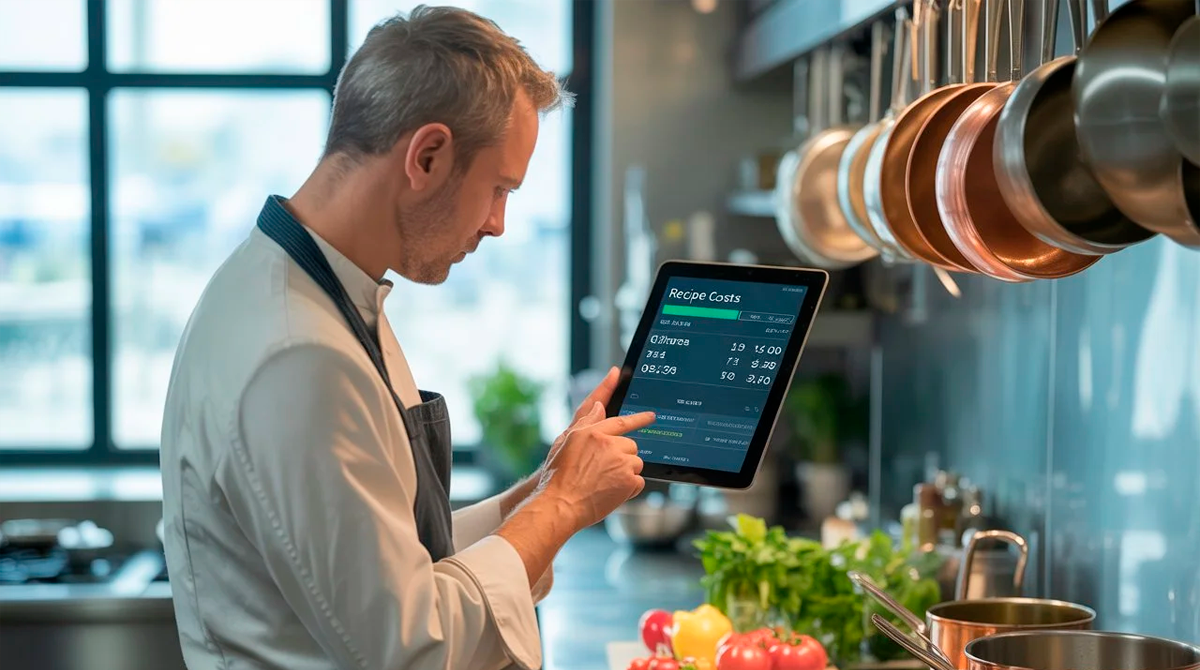
Cost control and profitability management are essential for any food service business. The ability to manage expenses while maximizing profitability can make the difference between long-term success and business failure. In this article, we explore the key elements of effective cost and profitability management in the restaurant and hospitality industry.
Why Are Cost Control and Profitability Management Important?
Effective cost and profitability management allow food service businesses to:
Control expenses and maximize profit margins.
Establish competitive and attractive pricing strategies.
Identify operational improvement opportunities.
Make informed decisions regarding investments and business growth.
Key Components of Cost and Profitability Management
Food and Beverage Costs
Food and beverage costs represent one of the largest expenses in any food service operation. It is essential to control purchasing, storage, portioning, and preparation costs to maintain healthy margins.
Labor Costs
Labor is another major expense in the hospitality industry. Managing work schedules, staff productivity, and operational efficiency is crucial to maintaining profitability.
Occupancy Costs
Occupancy-related expenses, such as rent, utilities, and facility maintenance, can significantly impact overall costs. Negotiating favorable lease agreements and optimizing space utilization are key strategies for controlling these expenses.
Marketing and Advertising Costs
Marketing and advertising are essential for attracting customers and promoting brand visibility. Businesses must carefully monitor spending and measure campaign performance to ensure a strong return on investment.
Strategies to Improve Profitability
Cost Analysis
Conduct detailed cost evaluations to identify inefficiencies and improvement opportunities across the operation.
Menu Engineering
Optimize menu design to highlight high-margin items, improve sales mix, and reduce unnecessary food costs.
Inventory Control
Implement strong inventory management practices to minimize waste, prevent over-purchasing, and maintain product consistency.
Supplier Negotiation
Develop strategic relationships with suppliers to secure better pricing, favorable payment terms, and consistent product quality.
Continuous Monitoring and Adjustment
Regularly monitor costs and profitability metrics, adjusting strategies as operational needs and market conditions change.
Tools and Technology for Cost and Profitability Management
Restaurant Management Systems
Using restaurant management platforms helps track financial performance, control expenses, and monitor operational efficiency.
Inventory Management Software
Specialized inventory tools improve purchasing control, reduce waste, and provide real-time stock monitoring.
Data Analytics
Data analysis allows businesses to identify trends, measure performance, and support strategic decision-making based on accurate operational data.
Conclusion
Cost control and profitability management are critical to the success of any food service operation. By effectively managing expenses and optimizing margins, businesses can establish competitive pricing, identify growth opportunities, and make informed investment decisions.
Implementing these strategies and technologies will help strengthen your financial performance and position your food service business for sustainable growth.